Fire wardens hardly ever get headings, yet they bring the responsibility that figures out whether an emergency situation finishes with an orderly emptying or a preventable catastrophe. The country wide recognised system PUAFER005 Operate as part of an emergency control organisation sits at the heart of that capacity. It develops sensible abilities for wardens in work environments of every kind, from medical facilities and mall to stockrooms and high-rises. If you couple it with PUAFER006 Lead an emergency control organisation, you cover both the warden and chief warden collections of responsibilities, which is often what large facilities call for to meet their fire warden requirements in the workplace.
What complies with is a specialist's break down of the PUAFER005 course, exactly how qualified training carriers run it, what the assessments appear like, and exactly how it syncs with associated training like the chief warden course. I will additionally deal with usual concerns, consisting of fire warden training requirements and also the functional matter of fire warden hat colour and what colour helmet a chief warden wears on site.
Where PUAFER005 Suits the Emergency Situation Control Picture
Emergency Control Organisations, or ECOs, exist to ensure that a workplace can reply to fire, unsafe spills, security threats, clinical emergencies, and building systems failings without shedding valuable time. The ECO framework, set out in Australian Specifications such as AS 3745 for facilities and AS 4083 for healthcare, designates particular functions to people throughout an event. PUAFER005 trains staff to operate as wardens inside that structure. They are the ones checking areas, sweeping floorings, communicating with the chief warden, and directing residents to setting up areas.
In a regular building, an ECO includes a chief warden, deputy chief, interactions policeman, flooring or area wardens, and wardens. PUAFER005 covers the warden and area warden features. PUAFER006 Lead an emergency control organisation covers the leadership roles, consisting of chief warden responsibilities such as making the call to evacuate, liaising with emergency situation solutions, and coordinating the total response.
You will certainly see the device names written in several methods on pamphlets: puafer005 course, puafer005 operate as part of an emergency control organisation, emergency warden course, or simply warden training. They refer to the exact same expertise device. Whether you call it a fire warden course or an emergency warden course, the abilities revolve around one concept: take control of an untidy scenario and keep people safe.
Learning Results You Should Expect
Good fire warden training does not drown learners theoretically. It builds the muscle mass memory and judgment to act. PUAFER005 learning outcomes cluster around five domains that show what takes place during an emergency situation:
Understanding the center and the ECO. Learners ought to be able to explain the ECO framework for their website, including that does what, how to rise choices, and how to integrate contractors or visitors. They need to acknowledge alarms and alerting tones and translate emergency situation plans, zone designs, staircase pressurisation systems, and emptying routes. When the air is great smoky and the lights are dim, you do not want to read the prepare for the very first time.
Hazard acknowledgment and very early feedback. Wardens find out to determine likely emergency circumstances for the site, warden management training not just fire. In a food factory, ammonia leakages might place greater than open fires; in an office tower, smoke movement between floorings can be the hidden risk. PUAFER005 covers first reaction procedures such as having little fires with the ideal extinguisher, isolating energy resources when risk-free, and closing doors to avoid smoke spread. The program also clears up when to quit being a very first -responder and become an evacuator.
Communication and choice production. Emergency situations rarely unfold nicely. Elevators quit, a warden goes missing out on, the intercom falls short, or someone breaks down on the stairways. Wardens need to interact clearly with the chief warden, relay standing updates, and make decisions that fit the strategy yet adjust to reality. Voice, tone, and brevity matter. Many trainees are surprised exactly how tough it is to provide a succinct flooring sweep record while alarm systems are sounding.
Evacuation management and occupant administration. Relocating individuals is a craft. Wardens learn to route crowds, manage choke points, aid mobility-impaired passengers, and take care of those that will certainly not conform. They also find out to prioritise jobs such as checking rooms, separating risks, and controlling doors. In split emptyings, they may maintain specific areas in place while removing others. The nuance here matters. Getting a complete structure emptying throughout a had kitchen fire may reveal people to unnecessary threat in the stairwells.
Post-incident activities. Clearing the last room is not the end. PUAFER005 consists of accountabilities after the event: roll calls at assembly locations, status records to the chief warden or emergency solutions, isolations to avoid re-ignition, and exact incident documents. Great documents conserve disagreements with insurance companies and regulators later.
I have actually seen these results play out throughout real emptyings. One warehouse crew had actually exercised their sweep pattern so completely that they got rid of a 12,000 square metre area in under 4 minutes while still representing a forklift driver with a sprained ankle joint. One more group, educated to stop and feel doors for warm, stayed clear of opening up a door right into a warm, great smoky workplace that would certainly have attracted fire into their hallway. The difference is not luck; it is trained habit.
The Structure of a Solid PUAFER005 Course
While carriers differ, the makeup of a solid puafer005 course is consistent. Anticipate a mix of short, focused theory with scenario-driven method in your real center or a well-simulated setting. Most programs run in between three and 6 hours depending on the website's intricacy and whether participants hold previous warden training.
The classroom sector establishes the baseline. Trainers cover ECO functions, alarm, common emergency kinds, choice procedures, and human variables. Good trainers do not avoid the psychology. People ice up, stress, or over-help. The program needs to discuss just how to snap someone out of a freeze, how to stop a potential hero from coming back a building, how to complete puafer006 and exactly how to provide instructions that stick.
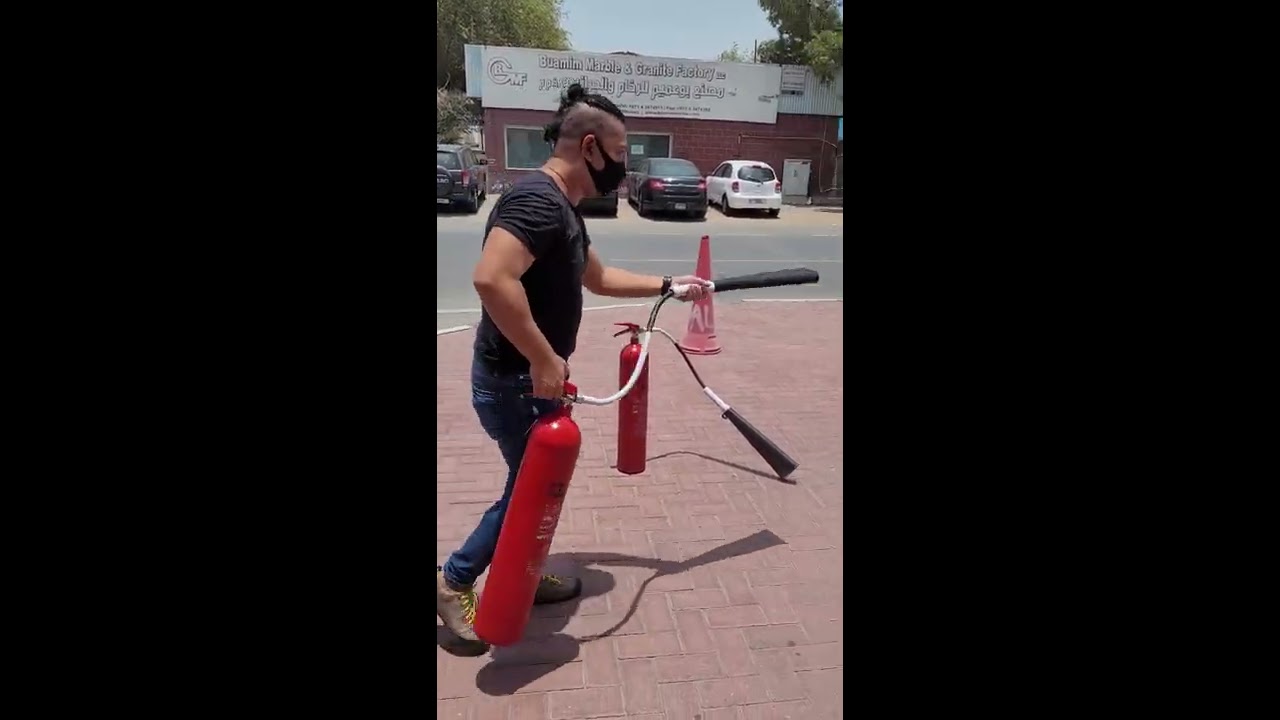
Hands-on elements make the difference. Even a brief practical session with fire extinguishers in a controlled setting modifications behaviour. People learn that CO2 extinguishers plume cool fog and lack a stress scale, that dry chemical powder will certainly cover exposure and develop collateral clean-up, which focusing on the base of the fire is not user-friendly for a first-timer. If your website has fire indication panels, wardens must see them, hear the tones, and practice a floor-by-floor move under time pressure.
Communication drills are non-negotiable. Practise providing a 10-second upgrade on a radio: place, problem, action, demand. For instance, "Degree 8 eastern wing clear, smoke in printer room included, doors shut, proceeding to west wing, no aid needed." It sounds straightforward in a quiet room, less so when alarm systems are blaring.
Finally, website customisation matters. A medical facility emergency warden faces different decisions than a retail warden. In health care, you may rely on horizontal emptyings and defend-in-place techniques before moving people. In retail, the concerns include isolating back-of-house passages and guiding the public that have actually never ever seen your strategy. The training course must reflect the building's design, owner account, and threat register.
Assessment: What Proficiency Looks Like in Practice
Assessment for PUAFER005 is competency-based, not a memory examination. You demonstrate that you can operate as component of an emergency control organisation against clear requirements. Assessors use observation, functional situations, and brief expertise checks. You can expect three types of evidence:
Observed performance in simulated emergency situations. Assessors view exactly how you translate alarm systems, record to the chief warden, conduct location moves, use equipment securely, and take care of residents. They note whether you examine spaces carefully, close doors, avoid lifts, and keep interaction discipline. They also view your judgment. It is not nearly enough to stroll a passage; you require to make safe choices quickly.
Short created or dental concerns. These verify understanding of the ECO framework, acceleration courses, alarm tones, and standard lawful responsibilities. Concerns may ask when to utilize an extinguisher versus when to evacuate, exactly how to sustain mobility-impaired residents, and exactly how to handle a missing person report.
Workplace documents and involvement records. Where possible, providers link training to your real Emergency situation Reaction Strategy. You might be asked to examine or annotate a floor plan, join for drill participation, or finish a warden checklist made use of in real occurrences. Documents shows you can convert abilities to your site.
Under analysis problems, I search for clearness in communication and uniformity in sweeping patterns. If a participant adjustments their sweep order mid-evacuation, they run the risk of crossing another warden's path and missing a stockroom. I additionally view exactly how wardens handle little troubles. A shut fire door is not a stumbling block; it is a sign to adjust your path and report the change.
Fire Warden Training Demands and Frequency
Fire warden training demands are driven by danger and by requirements, instead of an absolute regulation that fits every building. Many organisations educate brand-new wardens when assigned and rejuvenate at least yearly. Risky sites train regularly or run quarterly drills to enhance behaviors. Regulatory authorities and insurance providers expect to see proof of training, drills, and learning caught in updates to the Emergency situation Reaction Plan.
Chief warden training rests on top. If your facility expects a person to take command, liaise with emergency situation solutions, and take care of a complex evacuation, PUAFER006 Lead an emergency control organisation is the suitable unit. Numerous carriers supply a consolidated day that covers both the PUAFER005 course and the PUAFER006 course for groups that consist of wardens and chiefs. This mixed approach streamlines drill control and reinforces the hand-offs between roles.
One caution: advertise on capability, not title. A calm flooring warden that connects crisply might be a far better chief emergency warden than a senior manager who battles to choose under stress and anxiety. The most effective chief warden training develops the calmness and structure to decide, interact, and adapt. The chief fire warden course likewise explores chief warden responsibilities like managing partial evacuations, coordinating with structure services like cooling and heating shutdowns, and staging evacuees to lower stairwell congestion.
Equipment, Recognition, and the Colour Question
A remarkably common inquiry comes up during warden training: what colour helmet does a chief warden wear? Australian method, influenced by AS 3745 advice and widespread convention, uses colour to differentiate roles during an action. While precise colours can differ by organisation, the typical convention runs such as this: chief warden in white, floor or location wardens in yellow or red, and communications police officers in an unique colour such as white with markings or eco-friendly. In numerous work environments you will see hats or vests as opposed to difficult headgears. The concept is rapid identification, not fashion.
Fire warden hat colour must be consistent on a site and mirrored in the plan. I have participated in drills where 2 groups showed up in red vests classified WARDEN and an additional group arrived in yellow without labels. Owners had no concept whom to comply with. Labels, reflective strips, and clear text issue in smoke or low-light problems. Extra vests stored at the panel or in well-known cupboards are a cheap, high-impact upgrade that repays when a warden neglects theirs.
Beyond headwear, devices for wardens typically includes a whistle, a torch, a small first aid pack, and a radio if released. Maintain it basic. Too much equipment reduces activity and sidetracks from the task. In noisy plant rooms, a hand signal method beats shouting. Practice those signals throughout drills.
Human Elements That Make or Break a Response
If you have ever removed a congested stairwell, you understand procedures only go so far. Individuals act unexpectedly under stress and anxiety. The more your emergency warden training addresses human elements, the smoother your evacuation will certainly go.
Complacency is the very first enemy. Occupants that have lived through lots of routine alarms will certainly delay in entrances, stray back to their desks, or determine they have time to order a coffee. Wardens should predict authority without screaming. Short, regulation phrases work: "Leave now, take the staircases, follow me." Prevent discussions. If someone demands ending up a call, placement yourself so the crowd maintains moving around them and entail safety after the event.
Accessibility requires preparation. Mobility-impaired occupants might need help to get to safe sanctuary factors. Do not improvise this on the day. Assign buddies, validate sanctuary locations, and method transfers. In structures with discharge chairs, just trained staff should operate them, and you should practice on a real stairwell. If your site lacks these, develop a defend-in-place plan and coordinate with firemens on retrieval points.
Noise, heat, and smoke wear down judgment. During an actual smoke event in an office tower, one team discovered that the stunning wayfinding signage vanished into a haze. The wardens' head torches and loud, basic commands carried the day. They also found out that propping doors for convenience had permitted smoke to spread out quicker. Later, the chief warden updated their treatments to stress shutting doors and checking stairwell pressure.
Visitors and specialists make complex counts. A tidy roll telephone call depends on exact sign-in and sign-out systems. If your site makes use of several access points or allows short-term specialists, create a solitary point of fact for headcounts, ideally accessible to the chief fire warden team at the setting up area. Innovation helps, yet only if wardens recognize that holds the tool and exactly how to utilize it.
Drills That Show As opposed to Tick Boxes
The worth of emergency warden training turns up during drills. Unfortunately, several drills are scripted to the factor of impracticality. You get more by introducing moderate unpredictability than by running perfect choreography every time.
Rotate scenarios. One quarter, trigger an alarm system on a peaceful flooring and test interaction. Next off, phase a blocked stairwell and see just how wardens reroute people. Another time, mimic a person rejecting to evacuate or a clinical emergency situation mid-evacuation. Debrief right away and record lessons learned. Over a year, objective to work out all components of the strategy, consisting of partial discharges, after-hours reaction, and communication failures.
Mix groups. Do not permit the same three wardens to lug every drill. Individuals take holidays and alter tasks. Cross-train so each warden can cover nearby locations. Invite the chief warden and communications police officer to switch functions in one drill so they appreciate each other's constraints. That experience pays off when the panel goes down and you relocate to handheld radios and runners.
Coordinate with facilities administration. A drill is an opportunity to test mechanical systems. Validate that dampers close as designed, fire doors shut and lock, and the general public address system reaches all areas. The chief fire warden duties consist of feeding these searchings for back to facilities so they can readjust maintenance timetables and remedy faults.
How PUAFER005 and PUAFER006 Enhance Each Other
Many organisations ask whether every warden needs to do both PUAFER005 and PUAFER006. The short answer is no. Train individuals for the role they will certainly play. If you have a deep bench and want succession ability, pick a part of wardens for the chief warden course. Those people will recognize the bigger photo: risk analysis, partial emptying methods, inter-agency interaction, and post-incident leadership.
That said, combining the devices in a solitary training day for blended cohorts can be efficient. Wardens see how their records feed the chief's decisions. Chiefs see the barriers wardens face in hallways and stairwells. Joint drills after that enhance the chain of communication. In my experience, websites that educate both degrees with each other a minimum of annually recover faster from curveballs, such as an alarm during a power blackout or a twin event like a fire and a lift entrapment.
Evidence and Conformity Without the Paper Mountain
A useful note on compliance. Fire warden requirements in the workplace include demonstrating that you have an ECO, training, and a strategy, not hiding yourself in documentation. Keep documents lean and beneficial:

- A present Emergency situation Reaction Strategy with significant evacuation routes, refuge factors, and assembly areas, lined up with your building's systems. A register of wardens, primary wardens, and deputies with PUAFER005 and PUAFER006 training days and refreshers. Drill timetables, short situations, attendance, timed end results, and a one-page debrief with actions and owners. Equipment check logs for radios, discharge chairs, and warden kits. A post-incident declare any genuine occasion, recording timelines, choices, and restorative actions.
These five products please most auditors and, extra significantly, help the ECO improve.
Choosing a Training Service provider That Teaches, Not Simply Ticks
Not all warden training is equivalent. When selecting a carrier for the fire warden course or the chief fire warden course, search for signs that they will tailor-make to your website. Ask whether they will certainly stroll your floors and adapt circumstances to your dangers. Confirm that they include practical radio drills, barrier management, and human factors, not just PowerPoint slides.

Check the trustworthiness of the fitness instructor. Experience with real events shows. An instructor who can inform you why a particular stairwell obstructed throughout a drill or how a communication failure brought about a missed out on area will embed your team's memory. If you remain in a complex environment like a hospital or an industrial plant, request industry-specific instances. PUAFER005 and PUAFER006 set the framework. Lived experience supplies the learning.
Finally, make sure analyses are genuine. You desire your ECO to be experienced, not merely licensed. Service providers should assess under reasonable problems, record monitorings, and offer details feedback to individuals. That responses is exactly how wardens grow from adequate to excellent.
Edge Situations You Must Plan For
Even thorough training leaves voids if you have not thought of side cases. Invest time as an ECO planning for:
Stairwell congestion during a multi-tenant emptying. If your structure residences several companies, coordinate throughout lessee lines. Settle on staggered discharge when possible and clarify that regulates the staircase doors. Chief warden requirements include recognizing base-building controls and discussing those protocols.
After-hours occurrences. Wardens may not be present. Make a decision whether safety or responsibility supervisors create a skeleton ECO and exactly how they access warden devices. Take into consideration on-call rosters for the chief emergency warden to give phone guidance until emergency services arrive.
People who will certainly not leave. Some individuals decline. Train wardens to prevent fight. Record the place, intensify to the chief warden, and pass information to emergency services. Never allow one noncompliant person delay the flow of evacuees.
Concurrent events. An emergency alarm might coincide with a lift entrapment or a clinical emergency. Chiefs need to prioritise. Life security exceeds asset protection. Commonly that implies entrusting a warden to stay with the individual while the rest proceed the emptying and paramedics are directed to the appropriate stairwell.
Neighbouring hazards. In industrial estates, your emergency situation could begin next door. Construct exterior scenarios into your emergency warden training. Smoke blowing across your parking lot can produce visibility dangers at your setting up location. Recognize alternate setting up points in your plan.
What Success Looks Like When It Counts
An effective ECO really feels virtually boring from the outside. People file out comfortably. Wardens check rooms, close doors, and report without fuss. The chief warden gets crisp updates and makes easy, timely decisions. Firemans show up to discover a structure that is clear, a panel that reveals the appropriate zone, and a principal with exact information.
That smoothness is not unexpected. It comes from normal, targeted training, from a PUAFER005 course that refined practical skills, from a chief warden training session that constructed command presence, and from drills that showed as opposed to ashamed. It likewise comes from tiny information, like clearly labelled vests, functioning lanterns in warden sets, and a strategy that matches the truth of your building.
If you are establishing or refreshing your ECO, begin with functions and people. Select wardens who recognize the floorings, communicate well, and stay tranquil. Place them through PUAFER005. Select a chief that can decide and lead under pressure, after that invest in PUAFER006. Shape drills around your threats, not a generic manuscript. Maintain your documents tidy and beneficial. And the next time an alarm appears genuine, you will see the benefit in the means your people relocate and the confidence in your team's voices.
Quick Recommendation: Duties, Training, and Identification
For ease of planning, right here is a compact reference that straightens training, common duties, and recognition. Treat it as a starting factor, then tailor to your site.
- Warden or flooring warden: PUAFER005. Responsibilities consist of area moves, owner instructions, neighborhood danger isolation when risk-free, and reporting to the chief. Identification frequently a yellow or red vest or helmet marked WARDEN. Chief warden: PUAFER006. Responsibilities consist of analyzing information, buying emptyings, working with wardens, communicating with emergency situation solutions, and handling setting up locations. Identification generally a white vest or safety helmet marked CHIEF WARDEN. Deputy chief warden: PUAFER006 suggested. Substitute the chief, handles specific areas, supports interactions. Identification similar to principal with DEPUTY marking. Communications policeman: PUAFER005 with site radio training. Handles the panel, logs events, passes on directions. Recognition usually a distinct vest or significant white. First feedback group: Site-specific skills in extinguishers and spill control, trained together with PUAFER005. Recognition lined up with function and plan.
Keep the focus on clarity and skills. Titles and colours help only inasmuch as they make it easier for people to adhere to instructions and for the ECO to function as a solitary unit.
Take your leadership in workplace safety to the next level with the nationally recognised PUAFER006 Chief Warden Training. Designed for Chief and Deputy Fire Wardens, this face-to-face 3-hour course teaches critical skills: coordinating evacuations, leading a warden team, making decisions under pressure, and liaising with emergency services. Course cost is generally AUD $130 per person for public sessions. Held in multiple locations including Brisbane CBD (Queen Street), North Hobart, Adelaide, and more across Queensland such as Gold Coast, Sunshine Coast, Toowoomba, Cairns, Ipswich, Logan, Chermside, etc.
If you’ve been appointed as a Chief or Deputy Fire Warden at your workplace, the PUAFER006 – Chief Warden Training is designed to give you the confidence and skills to take charge when it matters most. This nationally accredited course goes beyond the basics of emergency response, teaching you how to coordinate evacuations, lead and direct your warden team, make quick decisions under pressure, and effectively communicate with emergency services. Delivered face-to-face in just 3 hours, the training is practical, engaging, and focused on real-world workplace scenarios. You’ll walk away knowing exactly what to do when an emergency unfolds—and you’ll receive your certificate the same day you complete the course. With training available across Australia—including Brisbane CBD (Queen Street), North Hobart, Adelaide, Gold Coast, Sunshine Coast, Toowoomba, Cairns, Ipswich, Logan, Chermside and more—it’s easy to find a location near you. At just $130 per person, this course is an affordable way to make sure your workplace is compliant with safety requirements while also giving you peace of mind that you can step up and lead when it counts.